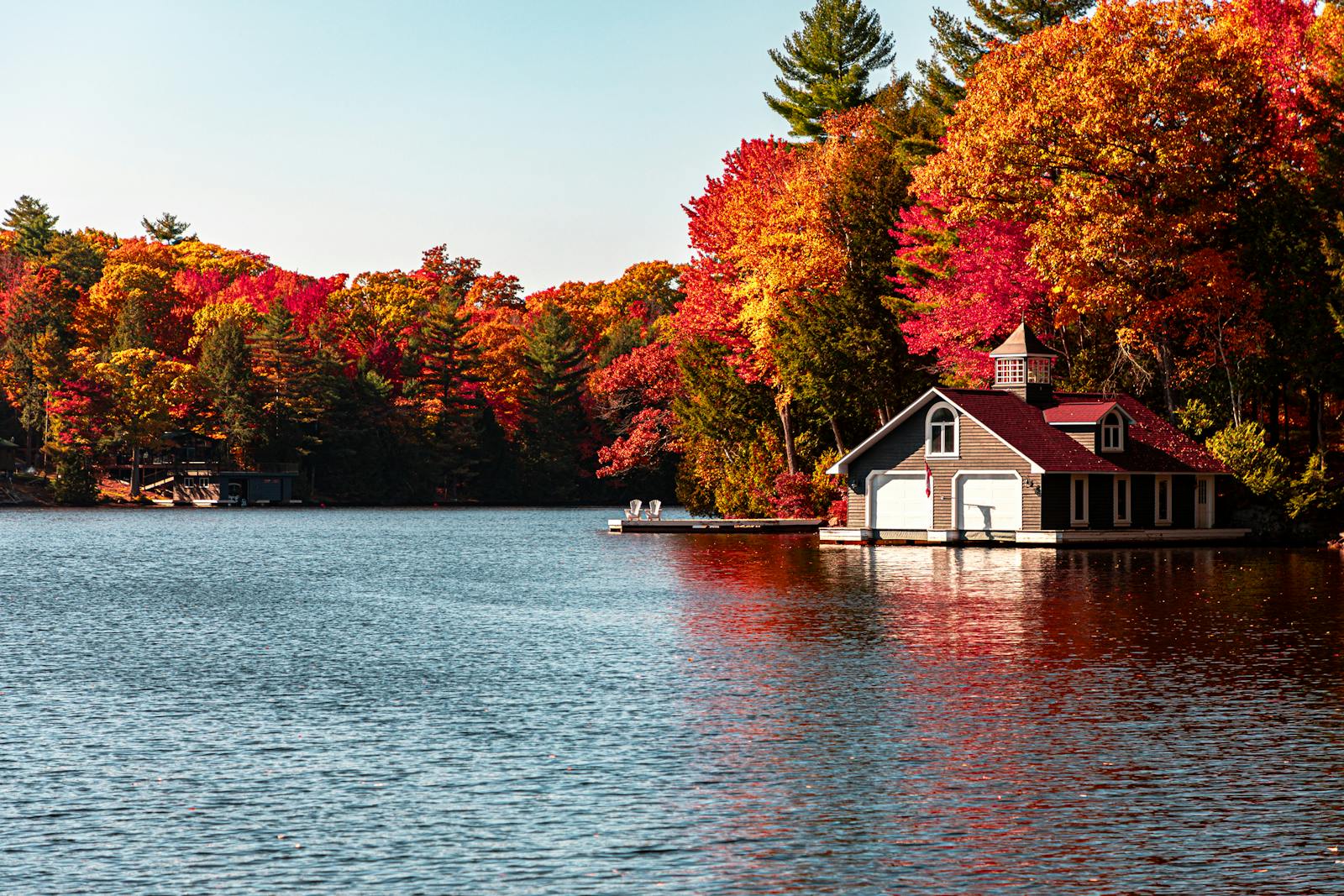
Every autumn, yards transform into a beautiful blanket of gold, orange, and red. While a thick layer of crisp leaves looks stunning, it hides a dirty secret. Many homeowners see raking as an optional chore, preferring to let nature take its course. However, ignoring those fallen leaves can trigger a domino effect of property damage, safety risks, and lawn diseases.
Leaving thick blankets of dead leaves on your lawn can suffocate your grass, trigger devastating fungal infections, attract destructive pests, and even create serious fire and safety hazards around your home. Resolving this issue doesn’t always mean hours of backbreaking labor, but complete neglect is a recipe for a spring landscaping nightmare.
1. Suffocation and "Lawn Death"
Your grass doesn't stop needing sunlight and oxygen just because the weather cools down. In the autumn, your lawn is actively storing up energy in its root system to survive the harsh winter ahead.
When a heavy layer of leaves covers more than 50% of your yard, it creates an impenetrable barrier. This barrier cuts off crucial sunlight and restricts healthy airflow. Without light and air, your turf will quickly brown and suffocate, completely killing off patches of grass in just a matter of weeks.
2. Breeding Grounds for Fungal Diseases
When dead leaves get rained or snowed on, they form a heavy, matted, and deeply compacted layer. This trapping of moisture creates the absolute perfect incubator for destructive fungal growth.
The most common culprit is snow mold—a nasty fungal infection that thrives underneath damp leaf covers during winter. Come spring, when the snow melts, you’ll be left with unsightly, diseased patches of dead grass that require expensive aeration and re-seeding to fix. Furthermore, if your trees suffered from any foliar diseases during the summer, leaving those leaves on the ground guarantees the pathogens will overwinter and reinfect your trees next spring.
3. Inviting Pests to Move In
A thick pile of unraked leaves is essentially a luxury hotel for unwanted wildlife. Small, destructive rodents like mice and voles love the insulation and protection that a heavy leaf layer provides from predators.
Once they take up residence in your leaf piles, they won’t just stay there. Voles will dig tunnels through your lawn, chewing away at grass roots and destroying your landscaping. Mice will use the leaf piles as a staging ground to find gaps in your foundation, eventually moving out of the cold and right into your basement or crawl space.
4. Slipping and Drainage Hazards
Wet leaves are notoriously dangerous. When they coat walkways, steps, or driveways, they become as slick as ice, creating a massive slip-and-fall hazard for your family and mail carriers.
Additionally, loose leaves easily blow into window wells, street gutters, and drainage systems. When heavy autumn rains or winter thaws hit, these clogged areas can cause water to pool up against your home, potentially leading to flooded basements and expensive structural foundation damage.
5. Unexpected Fire Risks
While wet leaves cause mold and clogs, bone-dry leaves present the opposite danger: they are highly flammable. If dry leaves are allowed to accumulate in deep piles against the wooden walls of your house, around garden sheds, or underneath decks, a single stray spark from a bonfire, a discarded cigarette, or an electrical glitch can ignite them instantly.
The Smart Compromise: Mulch-Mowing
You don't necessarily have to spend every weekend bagging up leaves. In fact, sending bags of leaves to a landfill is terrible for the environment.
Instead, use a mulching lawnmower to shred the leaves into tiny pieces right on top of your lawn. When broken down into tiny fragments, the leaves will no longer suffocate your grass. Instead, they will quickly decompose over the winter, acting as a free, organic fertilizer that pumps vital nutrients like nitrogen and phosphorus back into your soil.