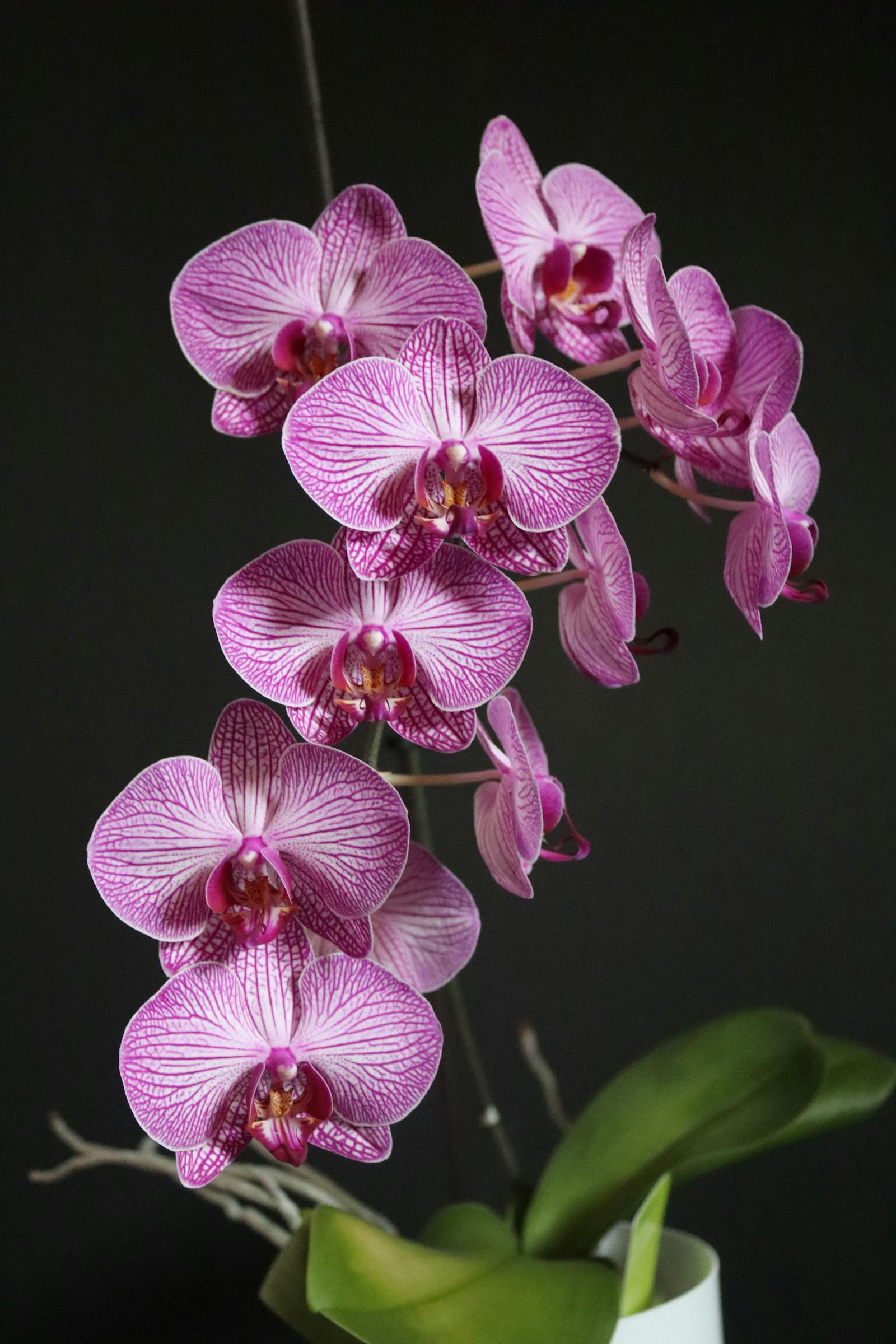
We’ve all been there: you buy (or are gifted) a stunning, blooming orchid. It looks gorgeous on your counter for months. Then, the flowers drop, the stem turns brown, and you're left with a pot of stiff green leaves that seemingly do nothing for a year.
It's completely normal to feel frustrated, and many people assume their orchid is dead once the blooms fall. The good news? It’s very much alive, just resting. With a little strategic care, you can convince it to put out a brand-new flower spike.
Assuming you have a Phalaenopsis (the classic "moth orchid" found in most grocery stores and garden centers), here are the five best, science-backed ways to get your orchid blooming again.
1. Give It a Nighttime Chill
This is the number one secret to triggering a new flower spike. In nature, orchids sense the changing seasons through temperature drops, which signals that it's time to reproduce (bloom).
What to do: For a few weeks, move your orchid to a spot where the nighttime temperature drops by about 10 to 15 degrees Fahrenheit (around 5 to 8 degrees Celsius) compared to the daytime temperature.
The sweet spot: Nighttime temps around 55°F to 65°F (13°C to 18°C) are ideal. A slightly drafty windowsill or a cooler room in your house usually does the trick. Once you see a new green spike emerging from the base, you can return it to its normal spot.
2. Upgrade Its Lighting
If your orchid isn't getting enough light, it simply won't have the energy to produce flowers. However, direct, hot sunlight will scorch its leaves.
The ideal light: Orchids crave bright, indirect light. East-facing windows are usually perfect, as they offer gentle morning sun. If you only have south or west-facing windows, use a sheer curtain to diffuse the intense afternoon rays.
The leaf test: Look at your orchid’s leaves. If they are dark, forest green, the plant isn't getting enough light. If they are yellow-green or have red tinges on the edges, they are getting too much. You want a healthy, medium grassy green.
3. Master the "Weakly, Weekly" Feeding Routine
Producing a flower spike takes a lot of nutrients. If your orchid has been sitting in the same bark for a year without fertilizer, it's starving.
The right food: Buy an orchid-specific fertilizer. Standard houseplant fertilizers often derive their nitrogen from urea, which orchids struggle to process.
The schedule: Orchids do best with consistent, diluted feeding. Dilute your fertilizer to 1/4 or 1/2 of the recommended strength on the label, and apply it once a week after regular watering (so you don't burn the roots). Once the plant starts blooming, stop fertilizing until the flowers drop.
4. Prune the Old Spike Strategically
What you do with the old, bare flower stem matters. Once the last flower drops, take a look at the spike.
If the stem is completely brown and dry: Cut it all the way down to the base of the plant. It's dead, and the orchid needs to focus its energy on growing a completely new spike.
If the stem is still green: You can encourage it to branch out. Count up two or three "nodes" (the little bumps on the stem) from the base, and snip the stem about an inch above that node. A new branch will often grow directly from that node, producing flowers sooner than growing a whole new spike.
5. Water by Sight, Not by Schedule
Overwatering is the leading cause of orchid death. If the roots rot, the plant can't absorb the water and nutrients it needs to bloom.
Check the roots: Most orchids are sold in clear plastic pots. Look at the roots through the plastic. If they are plump and green, do not water. Wait until the roots look silvery-gray and the potting medium (usually bark or moss) feels dry to the touch.
How to water: When it's time, run lukewarm water through the pot for a minute or two, letting it drain completely. Never let an orchid sit in a puddle of water.
With a little patience and by mimicking its natural tropical environment, your stubborn houseplant will reward you with a spectacular show of blooms.