RSS

Crazy facts about Muskoka.

Muskoka is full of surprises! Here are some crazy and fun facts about this famous cottage country:

  1. Over 1,600 Lakes! 🌊 – Muskoka is home to more than 1,600 lakes, making it one of the most water-rich regions in the world. It’s a paradise for boaters, paddlers, and swimmers.

  2. Billionaires’ Playground 💰 – Muskoka has been dubbed the "Hamptons of the North" because it attracts A-list celebrities and billionaires. Some famous property owners (past and present) include Goldie Hawn & Kurt Russell, Cindy Crawford, Steven Spielberg, and Kevin O’Leary.

  3. Canada’s Houseboat Capital 🚤 – Gravenhurst used to be known as the "Houseboat Capital of Canada." During the 1960s and ’70s, floating cottages were a huge trend on the Muskoka lakes.

  4. A Meteorite Crater? ☄️ – Lake Muskoka might sit on a meteorite impact crater! Some scientists believe an ancient meteorite hit the area, contributing to its rugged terrain.

  5. World-Famous Butter Tart Festival 🥧 – Muskoka hosts one of Canada’s biggest butter tart festivals in nearby Bala. Thousands of sweet-toothed visitors come every year to taste every possible version of this Canadian classic.

  6. Frozen Lakes Highways ❄️ – In the winter, some frozen Muskoka lakes turn into temporary highways! Snowmobiles and even trucks drive across thick ice roads between towns and islands.

  7. Haunted Hotels and Resorts 👻 – Muskoka has its share of ghost stories! The Bala Bay Inn is said to be haunted, and there are creepy tales of ghostly sightings at the JW Marriott Rosseau Resort.

  8. Hollywood Loves Muskoka 🎥 – Many movies and TV shows have been filmed in Muskoka, including parts of Red (Bruce Willis), It (Stephen King’s horror classic), and even The Handmaid’s Tale.

  9. A Past Life as ‘The Sanatorium of Canada’ 🏥 – In the early 1900s, Muskoka was famous for its tuberculosis sanatoriums. The clean air and natural setting made it a healing destination for patients from around the country.

  10. Canada’s Oldest Steamship Still Runs 🚢 – The RMS Segwun, built in 1887, is the oldest operating steamship in North America and still takes tourists on scenic cruises around Muskoka's lakes.

Read

Understanding Ice Dams: Causes, Prevention, and Solutions

Winter can bring many challenges for homeowners, and one of the most damaging is the formation of ice dams on roofs. These ice formations can lead to leaks, structural damage, and costly repairs if not addressed properly. Understanding what causes ice dams, how to prevent them, and the best ways to deal with them can save homeowners a lot of trouble during the colder months.

What Are Ice Dams?

Ice dams are ridges of ice that form along the edges of a roof, preventing melting snow from properly draining off. When water gets trapped behind the ice dam, it can seep under the shingles and into the home, leading to water damage, mold growth, and insulation issues.

What Causes Ice Dams?

Ice dams form when there is an uneven temperature distribution on the roof. This usually happens due to:

  1. Poor Insulation and Ventilation – Warm air from the house escapes into the attic, heating the upper part of the roof while the lower portion remains cold. Snow on the warmer areas melts and refreezes when it reaches the colder eaves, creating an ice dam.

  2. Fluctuating Temperatures – If temperatures rise above freezing during the day and drop below freezing at night, repeated thawing and refreezing can contribute to ice dam formation.

  3. Heavy Snowfall – A thick layer of snow acts as an insulator, trapping heat from inside the home and increasing the likelihood of ice dams.

How to Prevent Ice Dams

Prevention is key when it comes to ice dams. Here are some effective strategies to keep them from forming:

  1. Improve Attic Insulation – A well-insulated attic reduces heat loss, keeping the roof at a more consistent temperature.

  2. Ensure Proper Ventilation – Ridge and soffit vents help circulate cold air, preventing warm air from accumulating and heating the roof.

  3. Seal Air Leaks – Close gaps around chimneys, exhaust vents, and light fixtures to prevent warm air from escaping into the attic.

  4. Use a Roof Rake – After heavy snowfall, use a roof rake to remove snow from the edges of the roof before it can melt and refreeze.

  5. Install Ice and Water Shields – These protective membranes, placed beneath the shingles along the eaves, provide an extra layer of defense against water infiltration.

How to Remove Ice Dams Safely

If an ice dam has already formed, it's crucial to remove it safely to avoid further damage.

  1. Use a Roof Rake – A long-handled roof rake can help remove snow from the roof without needing to climb onto it.

  2. Apply Calcium Chloride – Unlike rock salt, calcium chloride melts ice without damaging shingles. Place it in a sock or stocking and lay it across the ice dam to help break it down.

  3. Hire a Professional – If the ice dam is large or causing water damage, it’s best to call a roofing professional to remove it safely.

What Not to Do

  • Avoid Chipping Away at the Ice – Using hammers or chisels can damage shingles and create more problems.

  • Don’t Use Salt – Rock salt can corrode gutters, damage landscaping, and harm the roofing material.

  • Never Climb a Snowy or Icy Roof – It’s extremely dangerous and can lead to serious injury.

Final Thoughts

Ice dams can cause significant damage if left unchecked, but with proper insulation, ventilation, and preventative measures, homeowners can protect their roofs and avoid costly repairs. If ice dams do form, using safe removal methods or consulting a professional can help minimize damage and keep your home safe throughout the winter months.

Read

FEB 21st is National Sticky Bun Day!

If you needed an excuse to indulge in a gooey, cinnamon-filled delight, here it is—National Sticky Bun Day on February 21st! This delicious holiday is dedicated to one of the most beloved breakfast pastries, known for its rich flavours, soft dough, and caramelized topping. Whether you bake them from scratch, pick up a fresh batch from a local bakery, or enjoy a homemade family recipe, sticky buns are the perfect way to treat yourself.

The Sweet History of Sticky Buns

Sticky buns have been delighting taste buds for centuries. Originally believed to have roots in German and Dutch baking traditions, they made their way to America with early settlers. Often referred to as "Schnecken" in German communities, these buns became a staple in Pennsylvania Dutch kitchens and soon spread across the country.

The traditional sticky bun starts with a rich, yeasted dough that is rolled with butter, cinnamon, and brown sugar before being baked in a caramelized mixture of butter and sugar (sometimes with nuts or raisins for added texture). When flipped out of the pan, they reveal a perfectly gooey and sticky topping—hence the name!

How to Celebrate National Sticky Bun Day

There are plenty of ways to enjoy this delicious day! Here are a few ideas to get you started:

🍯 Bake Your Own: Try making homemade sticky buns from scratch. The process is rewarding, and nothing beats the aroma of freshly baked pastries filling your home.

🍩 Visit a Local Bakery: Support a small business by grabbing a batch of sticky buns from your favorite bakery. You might even discover a unique twist on the classic recipe!

☕ Pair with Coffee or Tea: Sticky buns go perfectly with a warm cup of coffee or tea. Treat yourself to a cozy morning or afternoon snack.

🎉 Host a Sticky Bun Brunch: Invite friends or family over for a delicious brunch featuring sticky buns, fresh fruit, and other breakfast favourites.

📸 Share on Social Media: Snap a picture of your sticky bun celebration and use the hashtag #NationalStickyBunDay to join the fun online!

A Simple Sticky Bun Recipe to Try

Want to bake your own sticky buns? Here’s a quick and easy recipe:

Ingredients:

  • 3 ½ cups all-purpose flour

  • ¼ cup granulated sugar

  • 1 packet (2 ¼ tsp) active dry yeast

  • ½ tsp salt

  • ¾ cup warm milk

  • ¼ cup unsalted butter, melted

  • 1 egg

For the filling:

  • ½ cup brown sugar

  • 2 tsp cinnamon

  • ¼ cup unsalted butter, softened

For the topping:

  • ½ cup unsalted butter

  • ¾ cup brown sugar

  • ¼ cup honey

  • ½ cup chopped pecans (optional)

Instructions:

  1. In a large bowl, combine flour, sugar, yeast, and salt. Add warm milk, melted butter, and egg. Mix and knead until a smooth dough forms. Let rise in a warm place for about 1 hour, or until doubled in size.

  2. Roll out the dough into a rectangle. Spread with softened butter and sprinkle with brown sugar and cinnamon. Roll up tightly and slice into rolls.

  3. In a baking dish, melt butter and mix with brown sugar and honey. Sprinkle pecans over the mixture if using. Place the rolls on top.

  4. Bake at 350°F (175°C) for 25-30 minutes until golden brown. Let cool slightly before flipping the pan to reveal the sticky topping.

  5. Enjoy warm and sticky!

Whether you bake them yourself or buy a batch from your local bakery, National Sticky Bun Day is the perfect time to enjoy these delicious, comforting treats. So go ahead—grab a bun, take a bite, and celebrate the sweetness of life!

Read

Crazy Real Estate Facts That Will Blow Your Mind!

Real estate is full of surprises! Whether you're a buyer, seller, or just love browsing listings for fun, there's a lot more to the housing market than meets the eye. From haunted mansions to bizarre architectural choices, here are some of the craziest real estate facts that will leave you speechless.

1. The White House Was a Bargain

You’d think one of the most famous homes in the world would cost a fortune, right? When the White House was built in the 1790s, it had a price tag of just $232,372. In today’s money, that’s around $5 million—still a steal for a 132-room mansion!

2. Ghosts Can Lower Property Values

Haunted houses are cool in theory, but they can be a nightmare for home values. Studies show that a property with a spooky reputation can sell for 10-20% less than comparable homes. In some states, sellers are even required to disclose any paranormal activity!

3. A Home Can Be ‘Too Unique’ to Sell

Ever seen a house shaped like a shoe or a giant seashell? While these quirky homes can be fun, they often struggle to find buyers. Unique properties tend to sit on the market longer, as most people prefer more traditional designs.

4. There’s an Entire Town for Sale

Believe it or not, you can buy an entire town! Places like Scenic, South Dakota, and Swett, Nebraska, have been put up for sale, sometimes for less than the cost of a luxury home. If you’ve ever dreamed of being a mayor and a landlord at the same time, this could be your chance!

5. The Most Expensive Home Ever Sold

The record for the most expensive home sale goes to a $238 million New York City penthouse purchased in 2019. The buyer? Hedge fund billionaire Ken Griffin. With that kind of money, you could buy a private island—or a small country!

6. The Smallest House in the World

The world’s smallest house is just 25 square feet! Built by a German architect, this micro-home is barely big enough for a single person to stand inside. It’s the ultimate in minimalistic living, but good luck fitting a couch!

7. The Mysterious Winchester Mansion

The Winchester Mystery House in California is one of the strangest homes ever built. It has staircases that lead to nowhere, hidden doors, and over 160 rooms. Legend has it that the eccentric owner, Sarah Winchester, kept building to ward off spirits.

8. A House Made of… Airplanes?

One creative homeowner in Mississippi built her house entirely out of old airplane parts. The fuselage of a Boeing 727 serves as the main living area, proving that recycling can be both stylish and functional!

9. Zillow Once Listed a House on the Moon

In a hilarious (and obviously fake) listing, real estate platform Zillow once had a property listed on the moon. While you can’t actually buy lunar land, some companies do sell “novelty” deeds for plots on other planets.

10. The Waterfall House

In Pennsylvania, you’ll find one of the most iconic homes ever designed—Fallingwater. Built by Frank Lloyd Wright, this house was constructed right on top of a waterfall. It’s an architectural masterpiece and a dream home for nature lovers.

Real estate is full of surprises, and these facts prove that the housing market is anything but boring! Whether you’re looking for a ghost-free home or your own personal town, there’s a little something for everyone out there. What’s the craziest real estate fact you’ve ever heard?

Read

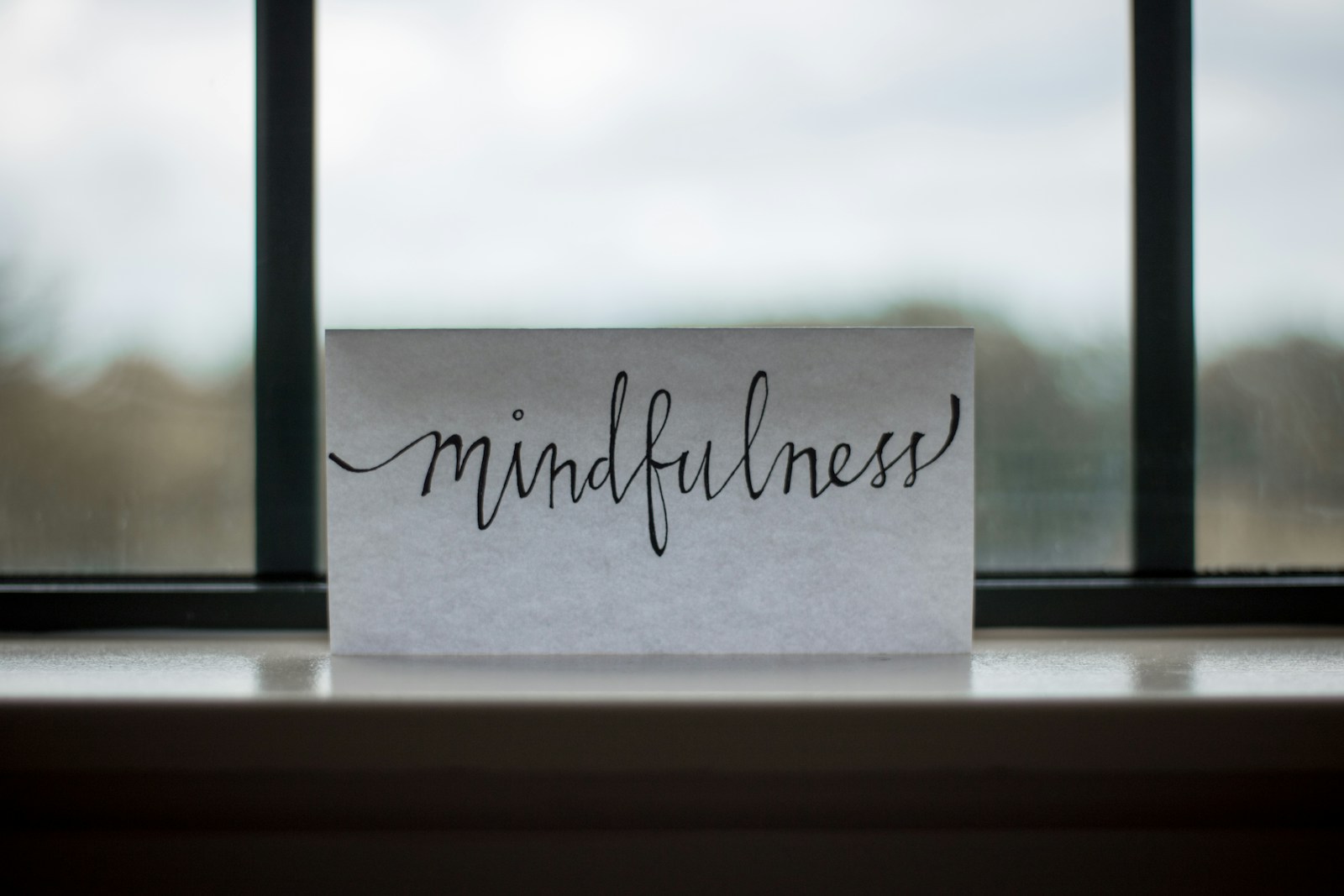
The Benefits of Mindfulness in Daily Life

In today's fast-paced world, where distractions and stressors are everywhere, mindfulness offers a powerful way to cultivate a sense of calm and focus. Practicing mindfulness means being present in the moment, fully engaged in whatever we are doing without judgment or distraction. This simple yet profound practice has a wide range of benefits for our mental, emotional, and physical well-being.

1. Reduces Stress and Anxiety

One of the most well-known benefits of mindfulness is its ability to reduce stress and anxiety. When we focus on the present moment instead of worrying about the past or future, our minds become less cluttered. Studies have shown that mindfulness meditation can lower cortisol levels, the hormone responsible for stress, helping individuals feel more relaxed and at ease.

2. Enhances Focus and Productivity

Mindfulness helps improve concentration by training the brain to stay present. This can enhance productivity at work or school by minimizing distractions and allowing for deeper engagement in tasks. When we are mindful, we are better able to prioritize and complete tasks efficiently, leading to improved performance and satisfaction.

3. Improves Emotional Well-Being

Mindfulness fosters greater emotional resilience by helping individuals manage negative thoughts and emotions more effectively. By observing thoughts without reacting impulsively, people can develop a greater sense of emotional balance, reducing tendencies toward rumination or excessive worry.

4. Strengthens Relationships

Being present in conversations and truly listening to others enhances relationships. Mindfulness encourages empathy, patience, and deeper connections by allowing individuals to engage with loved ones in a more meaningful and attentive manner. This leads to better communication and stronger bonds.

5. Promotes Physical Health

Practicing mindfulness can have tangible effects on physical health. Research suggests that it can help lower blood pressure, improve sleep quality, and boost the immune system. Additionally, mindful eating encourages healthier food choices and prevents overeating by fostering greater awareness of hunger and satiety cues.

6. Encourages Self-Awareness and Personal Growth

By tuning into our thoughts, emotions, and bodily sensations, mindfulness enhances self-awareness. This deeper understanding of ourselves allows for personal growth, helping individuals make positive changes in their lives, set better goals, and cultivate a greater sense of purpose.

Simple Ways to Incorporate Mindfulness into Daily Life

  • Start with Deep Breathing: Take a few moments each day to focus on your breath, helping to center your mind.

  • Practice Gratitude: Reflect on things you are grateful for to cultivate positivity.

  • Engage in Mindful Walking: Pay attention to the sensations of each step, the sights, and the sounds around you.

  • Limit Multitasking: Focus on one task at a time to enhance efficiency and presence.

  • Use Mindful Eating: Savour each bite of food, noticing textures and flavours without rushing.

Final Thoughts

Mindfulness is not just a trend—it’s a transformative practice that enhances every aspect of life. By integrating mindfulness into daily routines, individuals can experience reduced stress, improved relationships, and greater overall well-being. Start small, be patient with yourself, and embrace the journey toward a more mindful, fulfilling life.

Read

An important part of my job as a REALTOR® is ensuring I am connecting my buyers with the very best matches in their search for the perfect Muskoka Property.

I routinely conduct 'Previews' of homes on behalf of my buyers, which entails visiting the home in person prior to them seeing it, so that I can get a sense of the layout, flow, lighting and general condition of the home. Pictures are valuable for sure, but the often leave out details and nuances that may be important. So when I conduct previews, I examine the property from the perspective of the client and their particular needs. Whether it's a dedicated office space, a garage that will accommodate a sports car or boat, or a level backyard for the kids, my goal is to avoid wasting my clients' time seeing properties that aren't a fit.

Something pictures definitely can't convey is how a home smells. There's nothing more disheartening than throwing the doors to a buyer's dream home open only to be hit by the overwhelming smell of animals, tobacco or marijuana. It doesn't mean I won't show the property, it just means I have a chance to set some expectations and prepare an approach that may entail odour mitigation or deep cleaning to neutralize the smell and bring it back into the realm of 'dream home' once again.

Previewing properties also helps when pricing a seller's home as it gives me critical insight into the similarities or differences to properties for sale and/or sold that may serve as competition.

All in all, even though I may not be meeting with clients or drafting listings and offers, I'm still at work behind the scenes hustling for YOU. If you're looking for an agent that will go the distance to find you the perfect Muskoka Property, I hope you'll call. Let's do this!

Read

Living in Muskoka: A Slice of Paradise

Nestled in the heart of Ontario, Muskoka is often referred to as the Hamptons of the North, and for good reason. This stunning region boasts crystal-clear lakes, lush forests, and a serene atmosphere that draws both residents and visitors alike. Here’s a glimpse into what makes living in Muskoka truly special.

Natural Beauty

One of the most compelling reasons to live in Muskoka is its breathtaking natural beauty. With over 1,600 lakes and rivers, including the famous Lake Muskoka, the area offers endless opportunities for outdoor activities. Residents can enjoy swimming, fishing, kayaking, and boating in the summer, while winter brings options for skiing, snowshoeing, and ice skating. Each season offers a unique backdrop, from vibrant autumn leaves to pristine snow-covered landscapes.

Community Spirit

Muskoka is not just about its stunning scenery; it’s also about the warm community spirit. The region boasts charming towns like Bracebridge, Huntsville, and Gravenhurst, where friendly locals gather for seasonal festivals, farmers' markets, and community events. From the Fire & Ice Festival in Bracebridge, where you can slide down the manmade tubing hill in winter,  to the Canada Day Cruise on the famous Wenonah II Steamship, there’s always something happening that brings the community together.

Peaceful Lifestyle

If you’re looking for a slower pace of life, Muskoka provides the perfect escape from the hustle and bustle of city living. The tranquil environment encourages a more relaxed lifestyle, where residents can unwind and connect with nature. Whether you’re sipping coffee on your porch overlooking a lake or hiking one of the many scenic trails, you’ll find a sense of peace that’s hard to come by in urban settings.

Cultural Treasures

Muskoka is rich in culture and history, with numerous art galleries, theatres, and museums. The Muskoka Arts & Crafts organization showcases local artisans and hosts events that celebrate creativity and local talent. The region also boasts stunning architecture, from historic cottages to modern lakeside homes, each telling a part of Muskoka's story.

Recreational Opportunities

For those who love adventure, Muskoka offers a plethora of recreational opportunities. The region is home to several provincial parks, including the breathtaking Algonquin Park, which offers hiking, canoeing, and wildlife watching. Golf enthusiasts will find a variety of picturesque courses, while those who enjoy water sports can partake in wakeboarding, paddleboarding, and more.

Conclusion

Living in Muskoka is like stepping into a postcard. With its natural beauty, vibrant community, peaceful lifestyle, cultural treasures, and endless recreational opportunities, it’s no wonder that so many choose to call this paradise their home. Whether you’re seeking a full-time residence or a seasonal escape, Muskoka welcomes you with open arms. Embrace the charm and tranquility of this extraordinary region and discover why Muskoka is a place like no other.

Read

Emergency preparedness - not just a high school project

With the crazy weather events we’ve had here in Muskoka this winter, and the power outages accompanying them, many of us have been recently left cold, in the dark and hungry (not to mention caffeine deprived) for hours at a time while we await reconnection to the critical services we rely so heavily upon. I know firsthand just how challenging it can be to stay warm, dry and safe when the lights go out, especially if you’re located in a rural area with well and septic systems.

If you’re lucky, you might have a backup generator (or a good friend with one!), and can comfortably ride out the storm with minimal interruption. But even if you’re able to keep the heat and lights on, albeit at lower levels, there may be things that you didn’t consider before the storm hit. 

Emergencies often occur with little notice or warning, so preparing well in advance of an event is key! Every home should have a plan, and each member should be familiar with it. Effective plans provide for emergency resources for a minimum of 72 hours, and should include the following: 

  • A basic supply kit, including 3 days’ worth of non-perishable food, drinking water (4L per person in the household) and medication. Don’t forget supplies for pets - they’re people, too!

  • A well-stocked first aid kit with bandages, scissors, tweezers, gauze and antibiotic ointments, as well as sterile disposable gloves. 

  • Candles, lighters and matches. Candles provide light and heat, but should be used with extreme caution. Be sure to have fire extinguishers close by and accessible at all times when using an open flame. 

  • Flashlights and plenty of batteries. Emergency flashlights that allow for manual recharging (crank or squeeze generators) don’t generally offer great light, but can come in handy when batteries die. 

  • Backup cell-phone charging banks. In addition to charging cell phones, these can be used to power some USB lights, tablets, laptops and other items.

  • Colouring books, crafts, games. When the power goes out, young children can become afraid. But a supply of activities can keep them preoccupied and happy. A simple deck of cards can turn a scary evening into an fun and memorable candlelit family game night. 

  • Diapers, wipes, sanitary supplies.

  • Supplies for those with special health needs. Oxygen concentration machines won’t function when the power is out, so it’s advised to have a supply of portable oxygen canisters available to get you through the emergency. 

  • Blankets, extra clothing, hats, mitts, towels. 

Keep your kit in a place where it’s readily accessible in an easy to carry bin, box or backpack, and ensure the every member of the family knows where it is. Check your kit every 6 months and replace/update items as they expire. For added measure, consider purchasing a ‘ready made’ kit that includes MREs (meals ready-to-eat) and essential supplies. These kits are often affordable, have extended expiry dates and include items you may otherwise overlook. 

Read
This website may only be used by consumers that have a bona fide interest in the purchase, sale, or lease of real estate of the type being offered via the website. The data relating to real estate on this website comes in part from the MLS® Reciprocity program of the PropTx MLS®. The data is deemed reliable but is not guaranteed to be accurate.